
Compare Local Heating Contractors and Set Clear Expectations
Compare local contractors to define project scope, verify experience, and set clear expectations in writing for a successful heating system upgrade.
Heating contractor services typically encompass a range of work related to the installation, repair, and maintenance of heating systems within residential or commercial properties. This can include installing furnaces, boilers, heat pumps, and radiators, as well as troubleshooting issues that affect system performance and efficiency. Properly defining the scope of work ensures that property owners and contractors are aligned on the specific tasks involved, whether it’s a complete system upgrade or a targeted repair. Clear scope definition helps prevent misunderstandings and provides a foundation for effective project planning, ensuring the work addresses the property's heating needs comprehensively.
Establishing a well-defined scope is essential because it clarifies what is included and what is not, which can influence the overall quality and effectiveness of the work. Property owners should consider outlining details such as the type of system to be installed or repaired, any necessary upgrades, and specific performance expectations. Having these details in writing helps set realistic expectations and provides a reference point for evaluating contractor proposals. It also facilitates more accurate comparisons between local service providers by highlighting each contractor’s approach and expertise related to the scope of work.
When comparing local contractors for heating services, property owners should evaluate their experience with similar projects, as well as their ability to clearly communicate scope and expectations. Reviewing credentials such as references or project histories can offer insights into their familiarity with the specific systems or issues involved. It’s useful to ask service providers how they plan to approach the work and to request detailed descriptions of the services they offer. By focusing on the clarity of scope, communication, and the contractor’s background, property owners can make more informed decisions and select a service provider that aligns with their heating needs.
Compare local contractors by outlining your priorities, verifying experience, and setting clear expectations in writing.
- Compare Heating Contractors - review multiple local service providers to find the best match for your heating needs.
- Define Service Scope - clearly specify the work required to ensure accurate understanding and expectations.
- Verify Experience and Expertise - assess the background and skills of local contractors to ensure suitability for your project.
- Document Details in Writing - establish agreements that outline scope, responsibilities, and expectations for transparency.
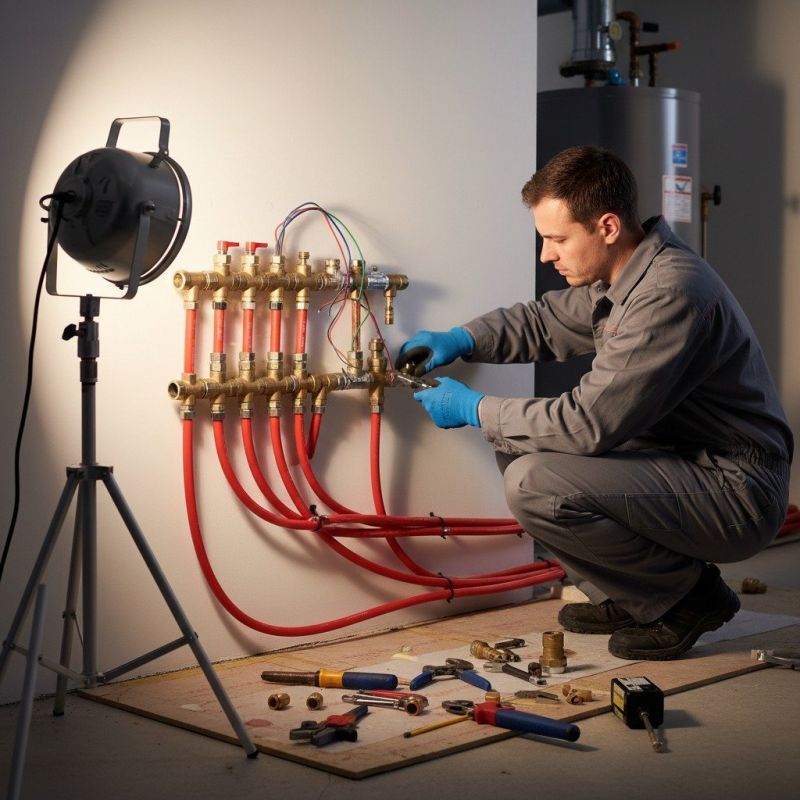
Clearly describe your heating project to help compare local contractors, verify experience, and set expectations in writing.
- Verify experience with heating systems similar to the scope of the project - ensure service providers have a history of handling the specific heating solutions needed.
- Define the scope of work clearly in writing - specify the tasks, materials, and responsibilities expected from the contractor.
- Compare multiple local contractors - review their credentials, reputation, and areas of expertise to find the best match.
- Check for references or reviews of previous heating projects - gather insights into the quality of work and customer satisfaction.
- Ensure detailed estimates include all aspects of the job - confirm that scope, materials, and responsibilities are explicitly outlined in writing.
- Discuss and clarify warranties or guarantees offered by the service providers - understand what coverage is included post-installation or repair.
Use this to compare local contractors, clarify project scope, verify experience, and set clear expectations.

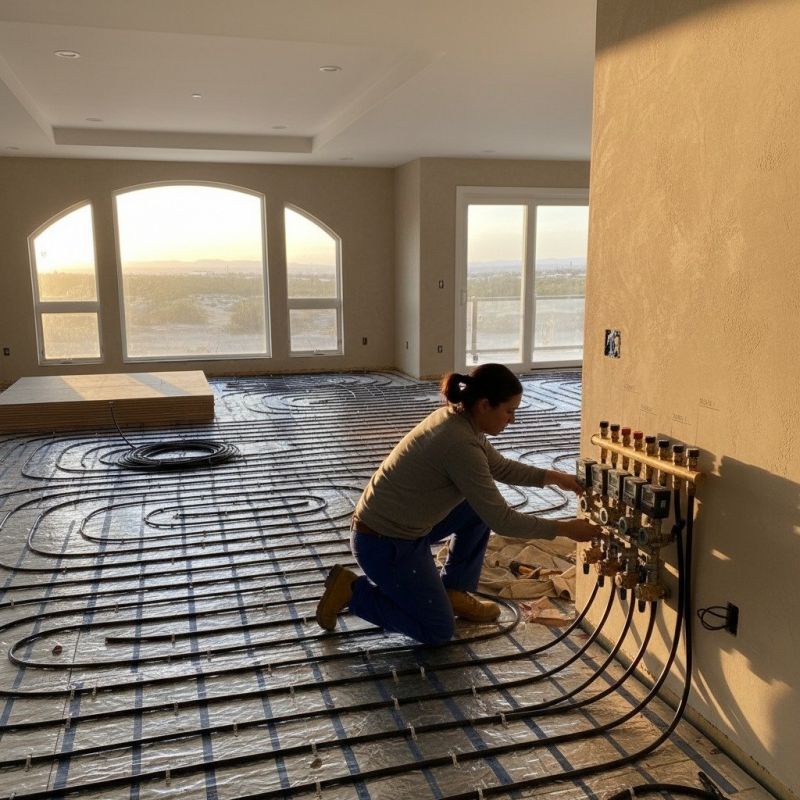

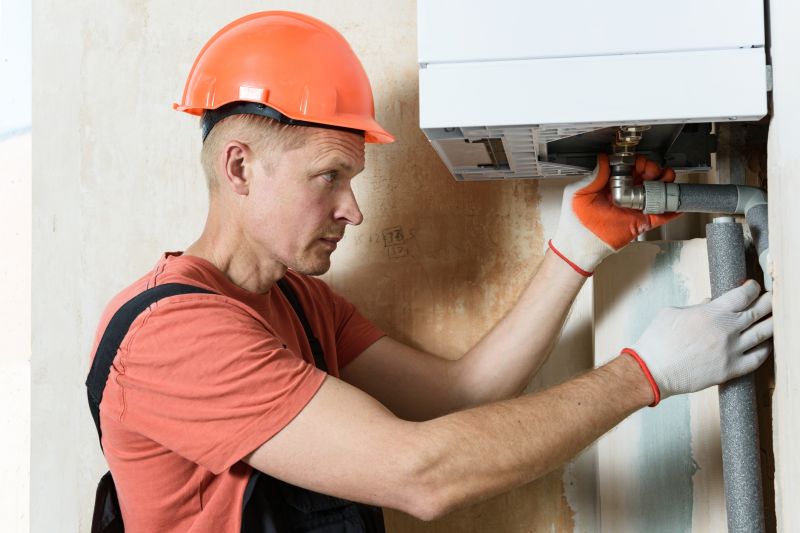
Use consistent comparison criteria across local contractors to accurately evaluate scope, experience, and written expectations.
- Define Heating System Scope - Specify whether the project involves installation, replacement, repair, or maintenance of heating equipment.
- Identify Types of Heating Equipment - Clarify the specific heating systems or appliances that will be addressed, such as furnaces, boilers, or heat pumps.
- Determine System Capacity and Size - Establish the required heating capacity based on the space to ensure appropriate system performance.
- Outline Installation or Service Requirements - Detail the tasks needed, including system upgrades, ductwork modifications, or thermostat integration.
- Set Expectations for Work Standards - Clearly describe the quality, materials, and safety considerations expected in the scope of work.
When evaluating contractors for heating projects, it’s important to consider their experience with similar types of work. Service providers who have handled comparable heating system installations, repairs, or upgrades are more likely to understand the unique challenges and requirements of such projects. Asking about their past work can provide insight into their familiarity with different heating systems, building types, and troubleshooting common issues. This background helps ensure that the contractor has relevant expertise to address the specific needs of the home.
A clear, written scope of work is a crucial element when comparing heating contractors. A well-defined scope outlines the specific tasks, materials, and responsibilities involved in the project, reducing the risk of misunderstandings later on. When reviewing proposals or descriptions, look for detailed explanations of what will be done, including any assumptions or exclusions. Having this information in writing helps set clear expectations and provides a basis for evaluating the thoroughness of each contractor’s approach.
Verification basics involve confirming the contractor’s experience and reputation through reliable sources. This can include checking references, reviewing previous project descriptions, or seeking feedback from past clients. Verifying that a service provider has successfully completed similar projects can increase confidence in their ability to deliver quality work. Additionally, understanding their process for handling unforeseen issues or changes can help gauge their professionalism and problem-solving approach.
Evaluating options without focusing on prices involves assessing the quality of the proposals, the clarity of scope, and the experience of the service providers. Comparing the level of detail in their written descriptions, their familiarity with similar projects, and their communication style can reveal which contractors are most prepared to handle the work effectively. Taking the time to understand each option thoroughly ensures that decisions are based on expertise and suitability, rather than just cost considerations.
Ask contractors to provide written scope details to ensure clear expectations and consistent project understanding.
- Scope of Work - What specific heating services and installations will the contractor provide?
- Experience - How long has the contractor been performing heating system work in the local area?
- Qualifications - What types of heating systems and brands does the contractor have experience with?
- Written Agreement - Can the scope and expectations be documented clearly in a written contract?
- Comparison Factors - What criteria should be used to compare the expertise and offerings of different service providers?
How can I compare heating contractors effectively? To compare local contractors, review their experience, services offered, and customer feedback. Ensure they provide clear written estimates and scope of work to make informed decisions.
What should I consider when defining the scope of my heating project? Clearly outline the heating system's needs, desired features, and any specific requirements. Communicating these details helps contractors provide accurate proposals and prevents misunderstandings.
How do I verify a contractor's experience with heating systems? Ask for details about their previous projects, years of experience, and areas of specialization. Reviewing references or case examples can also help assess their expertise.
Why is it important to get work details in writing? Having a written agreement ensures all project expectations, scope, and responsibilities are clearly documented, reducing the risk of miscommunication or disputes later on.
What questions should I ask a contractor before hiring? Inquire about their experience with similar projects, the approach they recommend, and how they handle unexpected issues. Clarify what is included in their service and how changes are managed.
How can I ensure the contractor's work will meet my expectations? Request detailed descriptions of the work plan, materials, and processes. Establish clear communication channels and ask for written confirmation of all agreed-upon details before work begins.
Homeowners now have the tools to compare local contractors for heating services, enabling them to understand how to define the scope of work, verify experience, and set clear expectations in writing. This approach helps ensure that the project aligns with individual needs and that all parties are on the same page before any work begins. Exploring multiple service providers allows for a more informed decision-making process, making it easier to find the right match for specific heating requirements.
Utilizing this platform makes it straightforward to connect with local contractors who can handle heating projects effectively. By taking the time to compare options and clarify details upfront, homeowners can approach their heating needs with confidence. Using the quote form to gather information from multiple service providers is a helpful step toward making well-informed choices tailored to individual preferences and project scope.